Homographs for Kids Words and Activities
Homographs share one spelling but carry two or more meanings, such as bat, bank, and light. Pronunciation may change: wind can mean moving air or turning a handle. Homographs for Kids: Words and Activities provides practical examples and age-appropriate games. Children identify nearby clues, test a meaning, and check the whole sentence.
How Homographs Work
Context identifies the meaning. In “The bat flew from the tree,” flew points to an animal. In “She hit the ball with a bat,” hit and ball identify sports equipment. The spelling stays unchanged; surrounding words supply meaning.
Homographs such as bat and bank retain one pronunciation. Others sound different. The noun wind, meaning moving air, rhymes with pinned; the verb wind, meaning turn or twist, rhymes with find. Teach meaning and pronunciation together when both vary.
Homographs for Kids: Words and Activities works as a context lesson, not a spelling test. Ask, “Which words helped you choose?” The child must name the clue instead of guessing.
Core Words to Teach
Begin with words children can draw, act out, or place in a sentence. The table contrasts two meanings and marks words needing pronunciation practice.
Teach three or four rows, then add another small set. In Homographs for Kids: Words and Activities, accurate use matters more than list length. A child who explains both meanings of bank in original sentences shows contextual understanding; reciting ten isolated definitions does not.
Examples in Clear Contexts

Place an obvious clue near a new homograph: “The dog’s loud bark woke us,” and “The tree’s rough bark felt dry.” Later, remove the direct clue. Read “We heard a bark outside,” then ask the child to justify an interpretation.
Pictures show one spelling representing separate ideas. Draw a river bank beside one sentence and a bank building beside another. Multilingual children can compare the English word with another language, where the meanings may require unrelated words.
Older children can examine ambiguity: “We sat by the bank.” The grammatical sentence lacks decisive evidence. Adding “to watch the river” or “before it closed” resolves the meaning and shows how context supports precise reading and writing.
Activities for Different Ages
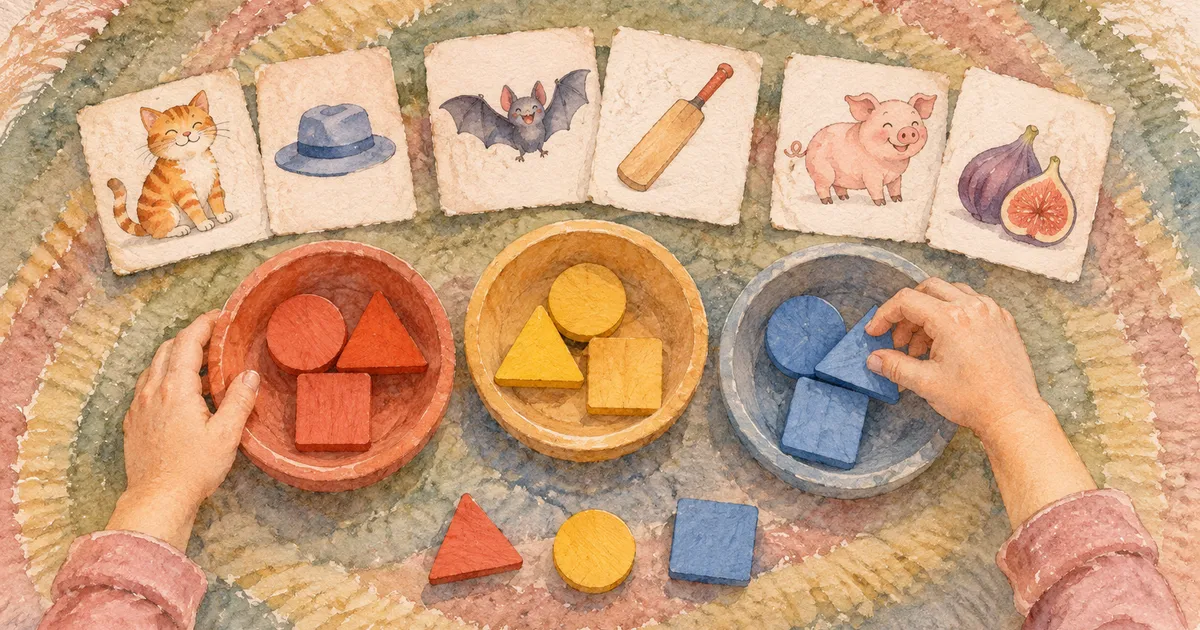
For school-age kids, choose concrete words such as bat, bark, ring, and wave. Show two pictures, read a sentence, and ask the child to select the matching image. Add actions: wave a hand, swing an imaginary bat, or imitate a ringing phone.
Turn Homographs for Kids: Words and Activities into a sorting game. Write each meaning on a separate card. The child pairs two cards with one spelling, then creates a sentence for each meaning. Require a specific clue: “A bat flew across the night sky” gives more evidence than “I saw a bat.”
Experienced readers can examine headlines, book sentences, or dictionary entries. Ask the learner to mark the homograph, identify its part of speech, and rewrite the sentence with stronger context. The learner can write one ambiguous sentence and two precise versions expressing different meanings.
Practice Routines and Common Mistakes
Try a four-step, five-minute routine: read the sentence, circle the homograph, underline the context clue, and explain the meaning in new words. On another day, reverse the task: give the meaning and ask for an unmistakable sentence.
Context Detective
Choose the correct meaning of light in each sentence: “Please turn on the light,” “This bag is light,” and “The light rain stopped before lunch.” Add one clue to each sentence. Finish with two sentences using watch: one as an object and one as an action.
Avoid paired definitions without sentences. A child may know multiple meanings of spring yet choose incorrectly while reading. Check meaning before correcting pronunciation because not every homograph changes sound. Homographs for Kids: Words and Activities should connect spelling, sound, grammar, and context in each practice round.
Reject sentences that leave the target meaning uncertain. Ask whether a reader can identify it. If not, have the child add a verb, noun, place, or action as evidence. Revision converts vocabulary recall into precise communication.
- Try five homograph pairs with children ages six to eight after breakfast.
- Read one picture book and pause when a homograph appears.
- Use two drawings to show each word’s different meanings clearly.
- Practice saying one sentence per meaning with careful pronunciation and context.
- Avoid teaching too many pairs; review three familiar words before adding more.
When a word has several meanings or pronunciations, Cambridge Dictionary is a useful check before turning it into child-friendly examples.
Frequently Asked Questions
What Is the Difference Between a Homograph and a Homophone?
A homograph shares another word’s spelling but has a different meaning; pronunciation may remain unchanged or vary. A homophone matches another word in sound but differs in meaning and often spelling, such as sea and see. Words may fit multiple categories, so examine spelling, sound, meaning, and context.
How Many Homographs Should a Child Learn at One Time?
Start with three or four words for a new learner and a larger set for a child who explains context clues. Adjust the amount to attention, reading skill, and familiarity. Homographs for Kids: Words and Activities is not a word-list race. Reuse each word in reading, speaking, and writing before adding more.
Can Multilingual Children Find Homographs Confusing?
Yes, but knowledge of multiple languages supports comparison. Ask whether each English meaning uses one word or separate words in another language. Treat differences as information, not errors. Keep English examples complete and concrete because direct translation may not preserve both meanings, grammar, or pronunciation.
How Can I Tell Whether a Learner Understands a Homograph?
Ask the learner to use the word in two original sentences and identify each supporting clue. For a homograph such as lead or tear, request the correct pronunciation. Understanding appears when the learner interprets an unfamiliar sentence, justifies the meaning, and revises an ambiguous example.
- Start with three concrete words and teach both meanings in sentences.
- Practice finding the context clue before asking for a definition.
- Ask the learner to write two clear examples for each homograph.
A short one-to-one lesson can show what level and pace fit your child — book a trial English lesson.
Stay updated on our latest tips and resources by following us on Instagram LearnLink.